For a long time, paid ads let brands hide behind targeting.
Not in a bad way. That was just how the game worked. If a campaign was not performing, the first instinct was usually to mess with the audience. Narrow the interests. Add behaviors. Test a lookalike. Exclude this group. Layer in that group. Build the perfect little targeting puzzle and hope the platform handed you the right people.
And sometimes, it worked.
But paid media is not that same game anymore.
Platforms like Meta and Google are moving further into automation, broader delivery, and machine learning. Tools like Meta’s Advantage+ Audience are designed to help advertisers find people using AI, which means brands have less manual control over exactly who sees their ads.
That does not mean strategy matters less. It means the strategy has moved.
We’re entering an era where mediocre creative can’t hide anymore. The algorithm can help find people, but it can't make them care. It can't turn a weak message into a sharp one. It can't make a vague offer suddenly feel urgent, relevant, or worth someone’s time.
That part is still on us.
The Algorithm Can Find People. Creative Makes Them Care.
Ad platforms are getting better at delivery. They can read signals, learn from behavior, and optimize faster than any person manually adjusting audiences all day. That part is impressive, but distribution is only half the battle.
The real moment happens after the ad shows up. It is that split second where someone either scrolls past without a thought or feels a little tug that says, “Wait. This might be for me.”
That moment is creative doing its job.
And not just the design, the image, or whether the brand colors look nice. The hook, the visual, the copy, the offer, the format, and the landing page all work together to help the right person recognize themselves in the message.
That is why creative is not just decoration anymore. It is part of the targeting. A strong ad does not only reach an audience. It attracts the right one and quietly filters out the wrong one.
Broad Targeting Needs Sharper Messaging
When targeting gets broader, the message has to get sharper.
That is where a lot of brands get nervous. They hear “broad audience” and think it means the ad should speak to everyone. It should not.
That is how you end up with soft, forgettable messaging like, “Need help with marketing?” Technically clear, but emotionally flat.
Now compare that to, “Getting traffic, but not enough qualified leads?” That does more work. It speaks to a specific frustration, gives the right person a reason to pay attention, and also tells the wrong person, “This probably is not for you.”
That is a good thing.
The best creative acts like a filter. It makes it obvious who the message is for, what problem is being solved, why it matters, and what someone should do next. Broad targeting does not mean broad messaging. It means the creative has to carry more of the weight.
Creative Is More Than the Visual
When people hear “creative,” they usually think about what the ad looks like. The image, the video, the layout, the design.
Those things matter, obviously. Nobody is arguing for ugly ads. But creative is bigger than the asset.
Creative is the angle, the first line, the promise, the offer, the call to action, the proof, and the objection you answer before someone even has time to use it as a reason not to click.
And it does not stop at the ad.
An ad can earn attention, but if the landing page drops the thread, the campaign can fall apart fast. If the offer is unclear, people hesitate. If the page feels disconnected from the ad, people bounce. If the message changes too much after the click, trust starts leaking.
Strong creative strategy looks at the full experience, not just the asset inside the ad account. That includes everything from the ad itself to the website experience that helps turn attention into action.
At Tribu, this is why we look beyond the ad and think through the full path from message to click to conversion. Strong creative is not just about making something look good. It is about making the right person feel understood enough to act.
The question is not only, “Does this look good?”
The better question is, “Does this make the right person want to take the next step?”
Testing Creative Is Really Testing the Message
Creative testing can get watered down when it becomes too focused on small design swaps. Changing the background, trying a new color, moving the button, or using a different image can all be worth testing, but those changes usually are not what unlock the campaign.
The better tests happen at the message level. What pain point gets the strongest response? What hook actually makes someone stop? What offer creates stronger intent? What proof builds trust faster? What objection needs to be addressed before someone clicks away?
That is where the useful insight lives. Once you know what people are responding to, that learning becomes bigger than one ad. It can shape the landing page, sharpen email copy, improve sales conversations, and sometimes reveal that the offer itself needs work.
Creative testing is not just about finding a winning ad. It is about learning what your audience actually cares about.
What Better Creative Actually Does
Better creative does not just say, “Here is what we sell.” It says, “We understand what you are trying to solve.”
That difference matters.
A generic ad talks at people. A strong ad reflects something back to them. It might reflect a frustration like, “I’m getting clicks, but not the right leads.” It might reflect a desire like, “I want my brand to feel sharper and more credible.” It might reflect an urgency like, “We can't keep wasting budget on traffic that does not convert.”
Same service. Different emotional entry points.
That is why one offer can be framed multiple ways and attract different types of buyers. Not because the targeting changed, but because the message gave different people different reasons to lean in.
The platform may decide who sees the ad. Creative decides who feels called by it.
Targeting Still Matters. It Just can't Save Weak Creative.
Audience insight still matters. Research still matters. Knowing who you want to reach still matters.
But targeting can't carry the whole campaign anymore.
A perfectly targeted campaign with a weak message will still struggle. A broader campaign with sharp creative, a clear offer, and a strong landing page has a much better shot at finding the right people and turning attention into action.
That is the shift.
The question is no longer just, “Who are we targeting?” It is also, “What are we saying that makes the right person care?”
And honestly, that is the better question anyway.
Because even when targeting was more manual, the brands that won were never just the ones with the cleanest audience setup. They were the ones that understood people. What they wanted. What they were tired of. What they were trying to become. What made them hesitate. What made them finally move.
That is not a media-buying trick. That is real strategy.
Better Creative Is the Advantage
As more brands use the same platforms, the same automated tools, and the same campaign types, the difference comes down to the inputs.
Sharper messaging, stronger hooks, better offers, more relevant creative, and a smoother path after the click. That is where a strong digital marketing strategy becomes more than campaign setup. It becomes the thinking behind why someone should care in the first place.
Creative is becoming one of the most important levers in paid advertising because it helps the audience understand why the brand matters. It helps the platform learn who is responding. And it helps the campaign do more than just get seen.
Better creative does not replace strategy. It is how strategy actually gets people to care.
Let's build a tribe together
Ideas, Ideas, Ideas

How Do I Get My Business Mentioned by ChatGPT?
Want your business mentioned by ChatGPT? See how schema, reviews, brand mentions, rich media, and first-party data can strengthen AI search visibility.

Time Travel in Marketing: How Customers Experience Brands Today
Time travel in marketing can bring years of brand content into the same customer journey. See why older blogs, social posts, reviews, and current messaging all need to feel connected.
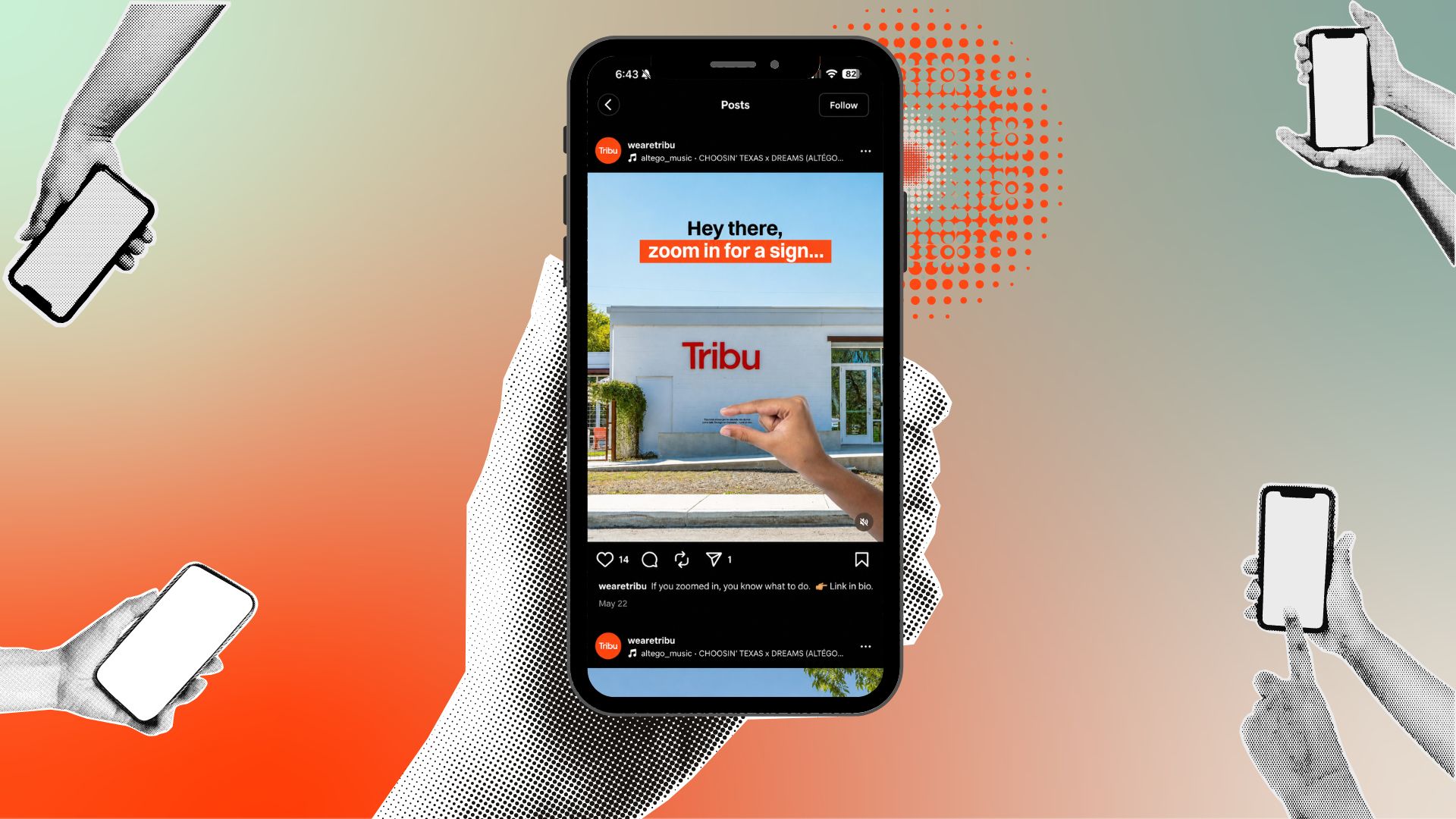
How to Write Social Media Captions People Actually Read
Good social media captions do more than describe the post. They sound human, create curiosity, and give people a reason to stop scrolling and keep reading.
Featured Work
We don’t just deliver - we make a difference.
Here’s a look at some of our most impactful branding, web, and campaign work. These aren’t just projects - they’re proof of what’s possible when bold ideas meet the right tribe.


.jpg)